
Lionel Messi was born on June 24, 1987, in Rosario, Argentina. From a very young age, he showed extraordinary talent in football. At the age of six, he began playing for a local club, Newell’s Old Boys, where his skills quickly caught the attention of coaches and scouts. However, life took an unexpected turn when, at the age of 11, Messi was diagnosed with growth hormone deficiency. This condition posed serious financial challenges for his family, as the treatment was expensive and not covered by their health insurance. In 2000, seeking better medical care and greater opportunities, Messi and his family made the bold decision to move to Barcelona, Spain. There, he signed a contract with FC Barcelona, which agreed to cover the costs of his medical treatment. This crucial step marked the beginning of Messi’s professional journey, and he quickly adapted to his new environment, demonstrating remarkable skill and determination.
Messi made his official debut for Barcelona’s first team in 2004, at just 17 years old. He quickly became a key player for the team, showcasing his unique style of play, characterized by incredible speed, dribbling ability, and precise finishing. Under the guidance of coaches like Frank Rijkaard and later Pep Guardiola, Messi flourished, leading Barcelona to a series of domestic and international successes. During his time at Barcelona, Messi achieved numerous milestones. He won ten La Liga titles and four UEFA Champions League trophies, becoming the club’s all-time leading scorer. His rivalry with Cristiano Ronaldo defined an era in football, as both players pushed each other to new heights. Messi’s individual accolades, including multiple Ballon d’Or awards, solidified his status as one of the greatest footballers in history.
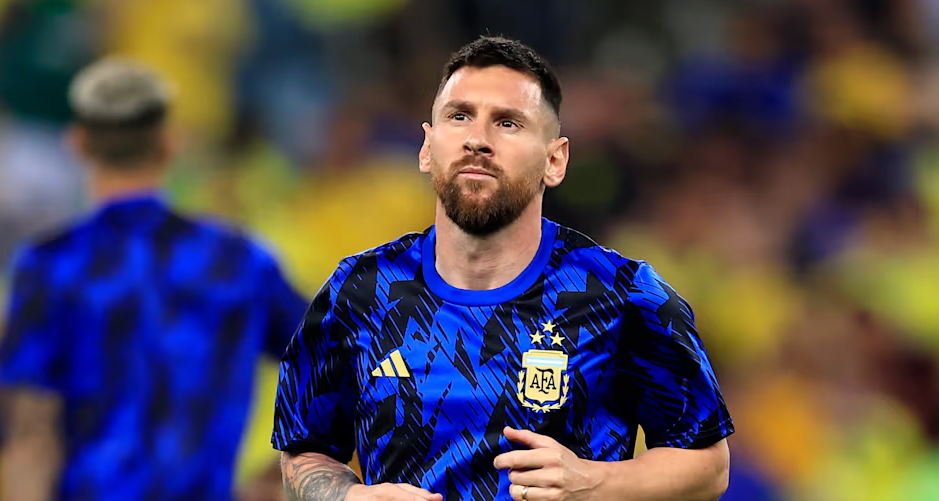
In addition to his club success, Messi faced challenges on the international stage. After several near misses in major tournaments, he finally led Argentina to victory in the 2021 Copa America, securing his first significant international trophy. This triumph was a testament to his resilience and determination, earning him immense respect and admiration from fans worldwide. In 2021, after spending 21 years with Barcelona, Messi faced a heartbreaking departure from the club due to financial constraints that prevented them from renewing his contract. This marked the end of an era, and the football world was abuzz with speculation about his next move. Eventually, Messi signed with Paris Saint-Germain (PSG), where he reunited with former teammates Neymar and Ángel Di María.
At PSG, Messi continued to impress, adapting to a new league and contributing to the team’s success. He helped PSG secure multiple domestic titles, including Ligue 1 championships. Despite the challenges of adjusting to a new environment, Messi showcased his exceptional skills, proving that his talent transcended any particular league. In 2022, Messi achieved his ultimate dream when he led Argentina to victory in the FIFA World Cup held in Qatar. This victory was not just a personal achievement; it was a moment of national pride for Argentina. Messi’s outstanding performances throughout the tournament earned him the Golden Ball as the best player, further cementing his legacy as one of the greatest footballers of all time.
Lionel Messi made his official debut for FC Barcelona’s first team in 2004, and it didn’t take long for him to establish himself as a key player. His unique playing style, characterized by incredible speed, exceptional dribbling, and pinpoint accuracy in shooting, captivated fans and left defenders struggling to contain him. Messi’s ability to navigate through tight spaces and create opportunities for himself and his teammates set him apart from his contemporaries. During his early years at Barcelona, Messi showcased his extraordinary potential, quickly becoming a fan favorite. His first significant season came in 2006, when he played a crucial role in helping Barcelona secure the UEFA Champions League title. As Messi continued to develop, he formed a formidable partnership with players like Ronaldinho, Samuel Eto’o, and later, Xavi and Andrés Iniesta. This collaboration contributed to Barcelona’s dominance in both domestic and European competitions.
Over his illustrious career at Barcelona, Messi amassed an impressive collection of titles and individual accolades. He won the La Liga title 10 times, showcasing his consistency and ability to perform at the highest level year after year. In addition to domestic success, Messi also helped the team secure four UEFA Champions League titles, solidifying Barcelona’s position as one of the premier clubs in world football. Messi’s prolific goal-scoring ability allowed him to become the club’s all-time leading scorer, a record that seemed insurmountable. His remarkable tally of goals included numerous hat-tricks and memorable performances in crucial matches. In the 2011-2012 season, Messi set a new benchmark by scoring an astonishing 73 goals in all competitions, a record that still stands today.
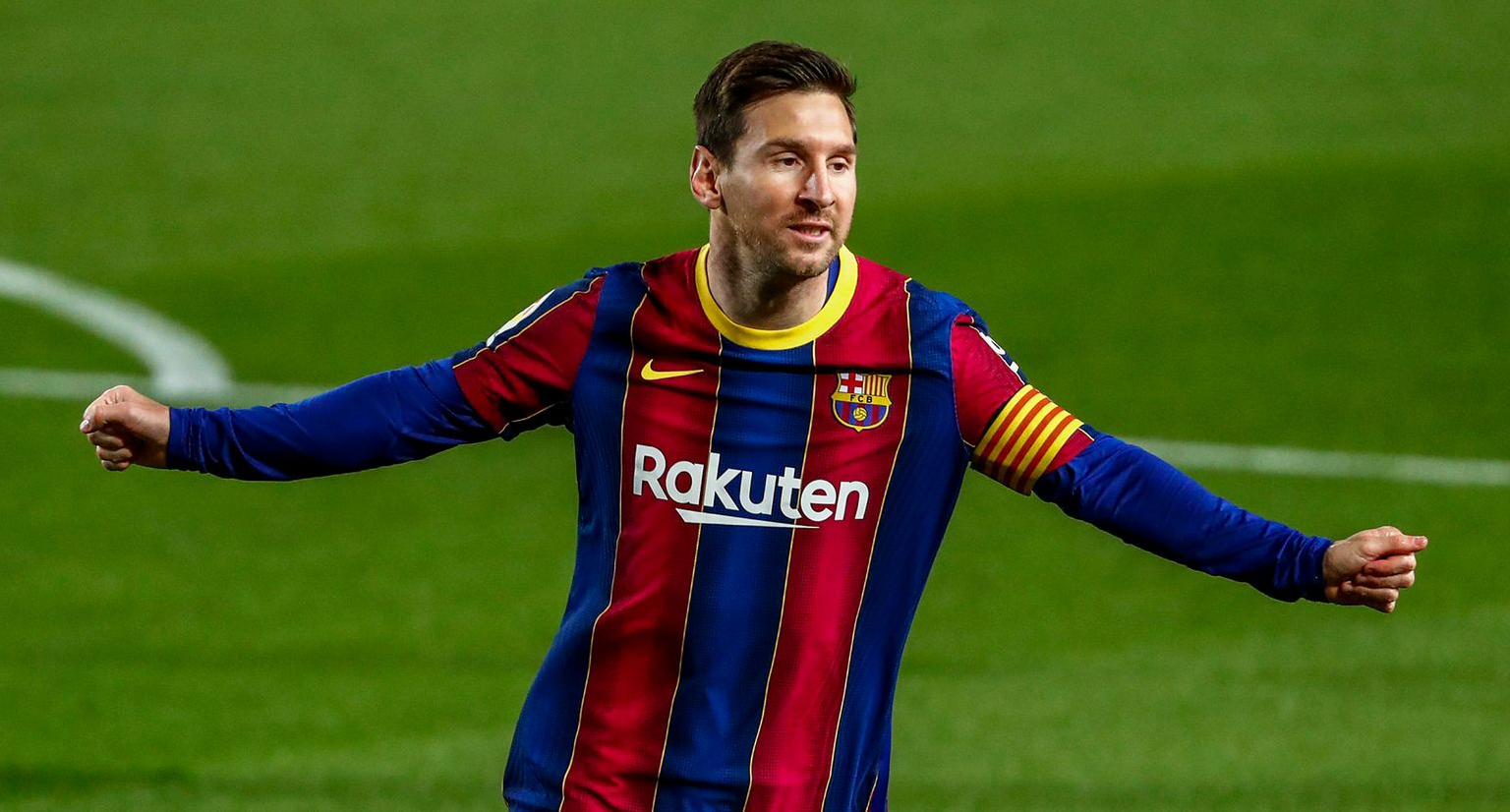
In 2009, Messi won his first Ballon d’Or, awarded to the best football player in the world. This marked the beginning of an era of individual dominance, as he went on to win the prestigious award multiple times. His rivalry with Cristiano Ronaldo fueled debates about the greatest player of all time, with both athletes achieving unprecedented levels of success and pushing each other to new heights. Under coach Pep Guardiola, Messi thrived in Barcelona’s tiki-taka playing style, which emphasized short passing, movement, and maintaining possession. This strategy not only maximized Messi’s talents but also transformed the team into a footballing phenomenon. The combination of Messi’s creativity and the tactical acumen of his teammates made Barcelona a joy to watch and a nightmare for opposing teams.
During this period, Messi and his teammates achieved remarkable success, including winning six trophies in a single year in 2009, a feat that showcased their dominance. The team’s 2009 UEFA Champions League final victory against Manchester United was particularly memorable, as Messi scored a crucial header, demonstrating his versatility as a forward. Despite his success, Messi faced challenges throughout his career, particularly on the international stage. Argentina reached the finals of the Copa America in 2007, 2015, and 2016 but fell short in each attempt. These near misses weighed heavily on Messi, leading to questions about his ability to perform under pressure for his national team. In 2016, after losing the Copa America final to Chile, Messi announced his retirement from international football, expressing frustration over the repeated heartbreak. However, the football community rallied around him, and he soon reversed his decision. Messi returned to the national team, determined to achieve success and bring glory to Argentina.
In 2021, after spending an astonishing 21 years at FC Barcelona, Lionel Messi signed a contract with Paris Saint-Germain (PSG). This transfer was one of the most talked-about events in football history, marking a significant shift not only in Messi’s career but also in the landscape of European football. The announcement of his departure from Barcelona, a club he had become synonymous with, sent shockwaves throughout the football community. Fans, players, and pundits alike were left in disbelief as they processed the end of an era. Messi’s move to PSG was driven by the financial difficulties facing Barcelona, which prevented the club from renewing his contract. Despite the emotional weight of leaving his childhood club, Messi embraced the challenge ahead. Joining a team filled with superstars, including Neymar and Kylian Mbappé, presented an exciting opportunity for Messi to continue competing at the highest level.
Upon joining PSG, Messi faced the challenge of adapting to a new league and style of play. The Ligue 1 environment was different from La Liga, and the dynamics of working alongside other elite players required adjustment. However, Messi quickly found his footing, showcasing his trademark vision, creativity, and ability to read the game. His presence on the pitch elevated the performance of his teammates, as they learned to integrate his playing style into their strategies. Messi’s first season at PSG was met with mixed reactions, as he experienced an adjustment period. Critics pointed to a drop in his goal-scoring numbers compared to his Barcelona days, but those familiar with football understood that adapting to a new system takes time. As the season progressed, Messi began to demonstrate his brilliance, contributing crucial assists and scoring key goals, reaffirming his status as one of the game’s greatest talents.
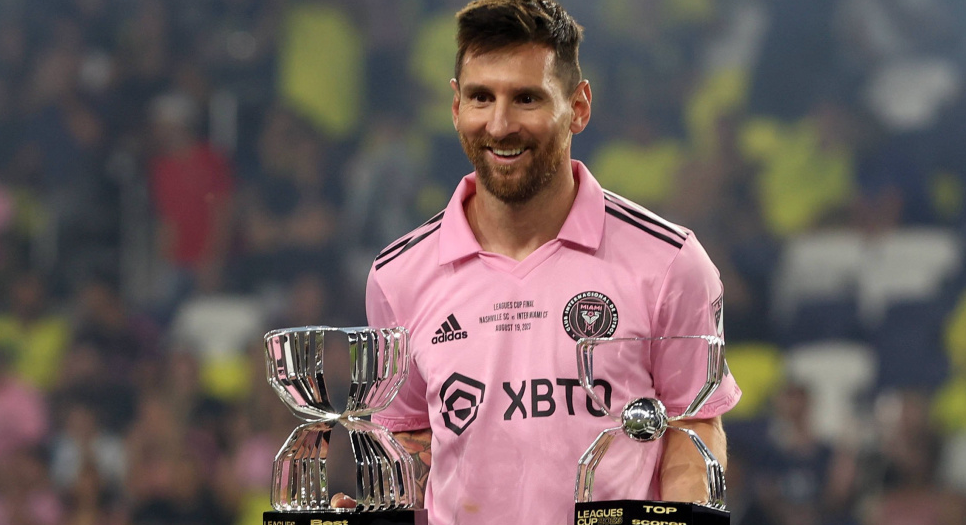
Despite initial challenges, Messi played a pivotal role in helping PSG secure the 2021-2022 Ligue 1 title. His contributions were vital, as he formed partnerships with his teammates that enhanced the team’s attacking prowess. The combination of Messi, Neymar, and Mbappé became a formidable front line, striking fear into the hearts of opposing defenses. In addition to the league title, PSG enjoyed success in domestic cup competitions. Messi’s experience and skill were invaluable during critical matches, as he often stepped up when it mattered most. His ability to perform under pressure showcased his resilience and dedication to winning, traits that have defined his career.
The highlight of Messi’s career came in 2022 when he finally achieved his long-cherished dream of winning the FIFA World Cup with the Argentine national team. The tournament, held in Qatar, was a culmination of years of hard work and determination. Messi’s leadership on and off the pitch was instrumental in guiding Argentina through the tournament, where he delivered several standout performances. From the group stages to the knockout rounds, Messi consistently rose to the occasion. His vision, playmaking ability, and goal-scoring prowess were on full display. In the final against France, he delivered a performance for the ages, scoring twice and leading Argentina to a thrilling victory in a match that would go down in history as one of the greatest World Cup finals ever.